
A Bright Past
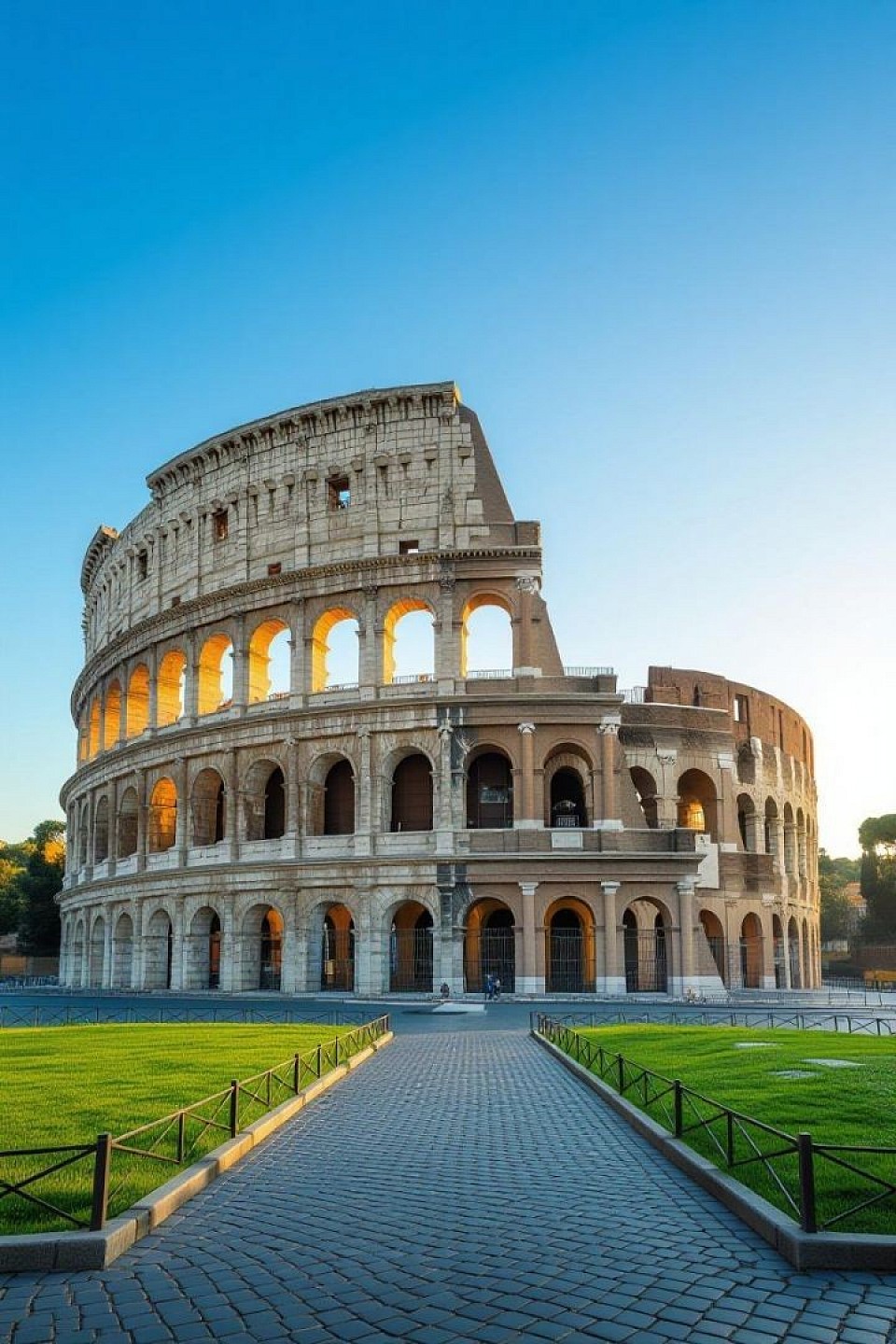
The Colosseum in Rome
Fascination Antique Rome
Steaming baths, columned monuments, statues, cypresses. The cityscape of ancient Rome is beautiful. But what about the brutal gladiatorial combats of the empire? Who were the fighters in the arena? Were they forced to fight? Did hypnosis play a role? A wise saying goes: “Everyone is only given as much as they can bear.” That was true then as it is today. Great fear in the waiting corridor of the arena? Ten seconds of fighting against a lion? History books tell of the harsh life back then, but also of its brevity.
A Trip to the Dreamworld
Scene change: Southeast of Rome lies ancient Egypt. Who built the pyramids? Were they slaves? In the heat, under the stern eyes of whip-wielding overseers? These weren’t small bricks being used. Was there mechanical assistance? Ancient Egyptian reliefs depict light bulbs. If you think about it and discard the versions of history that portray people from antiquity and the Middle Ages as less advanced than modern humans, you come closer to the idea of a life that was pleasant even back then. The worldview changes solely through technological progress. Imagine a medieval farmer with the same consciousness as a modern math teacher. There was no fear-inducing ignorance. The parallel significance of every era is only portrayed that way in art—in books and films. In media.
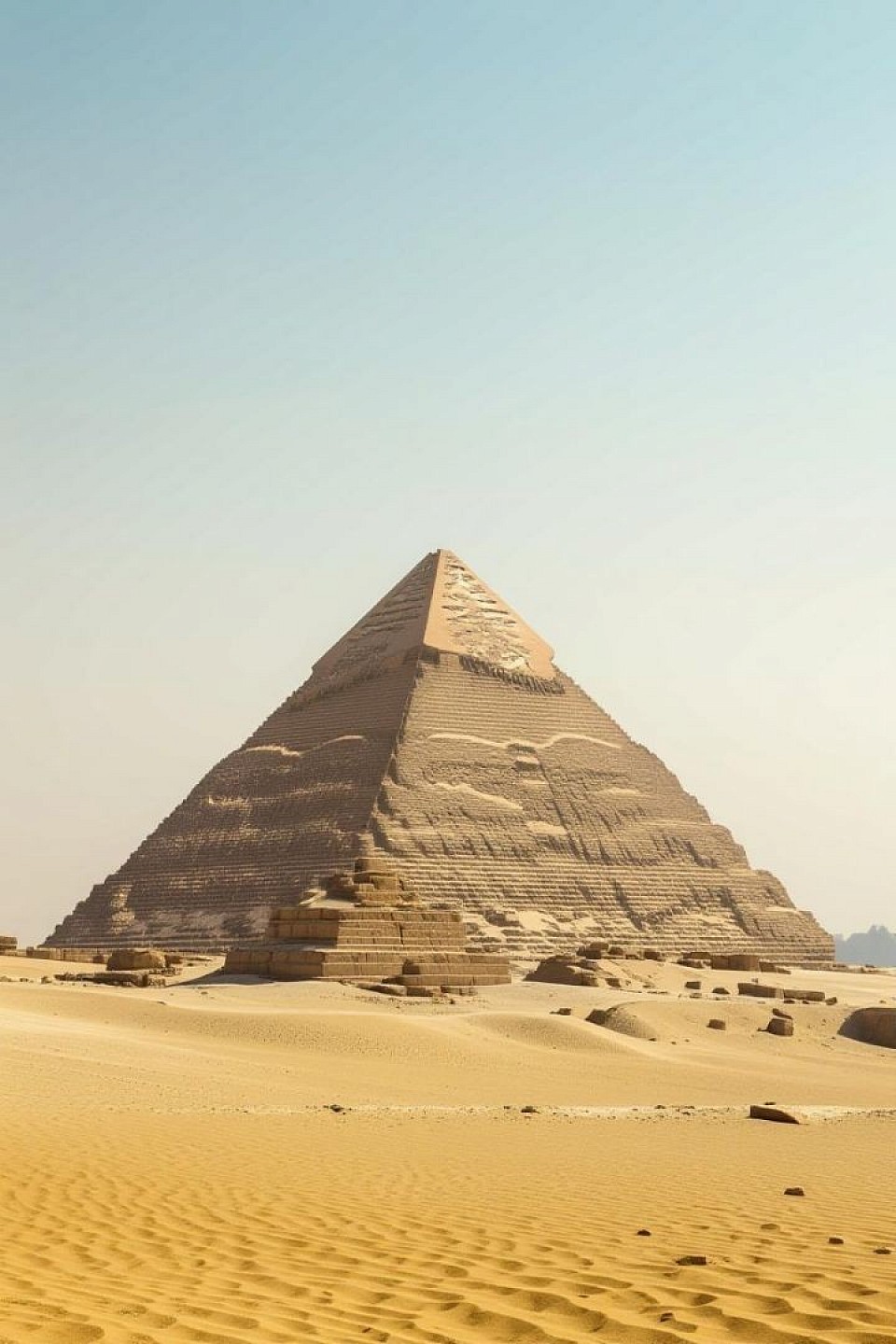
A Pyramide in Egypt
The Past in Myth, Religion and Fiction
When Noah learned of the flood, he instructed his family to board the ship, which he had long since completed. Inside it, securely stored, were the DNAs of all the animals on Earth. Noah's suppliers were hunters, rangers, and volunteers who had understood the purpose of the endeavor and had traveled in all directions. The prophecy spoke of a cooperator who was the recipient of the delivery and was located where the Ark would one day land.🕊
There is another point: If Noah’s Flood was the same as the Flood of Atlantis, it could be that Atlantis had a storage facility/repository for animal DNAs. It’s possible that there is a laboratory somewhere beneath the Atlantic Ocean containing the DNAs of all prehistoric animals. Atlantis was highly advanced, knew about its impending fate, and was able to make preparations.
For me, Plato is the most realistic source for describing Atlantis. Located before the strait of Gibraltar. A seaquake stirred up mud. That's why I think Atlantis didn't just sink, but was also buried. I wouldn't search anywhere else. Only deeper.
If Plato with “before the Pillars” meant: “the ocean before the Pillars” — i.e., the Atlantic — then there are naturally several plausible search locations. The Atlantic was no small island, but an entire continent that sank. One could look under Iceland, beside Ireland, directly off Gibraltar, and off West Africa.
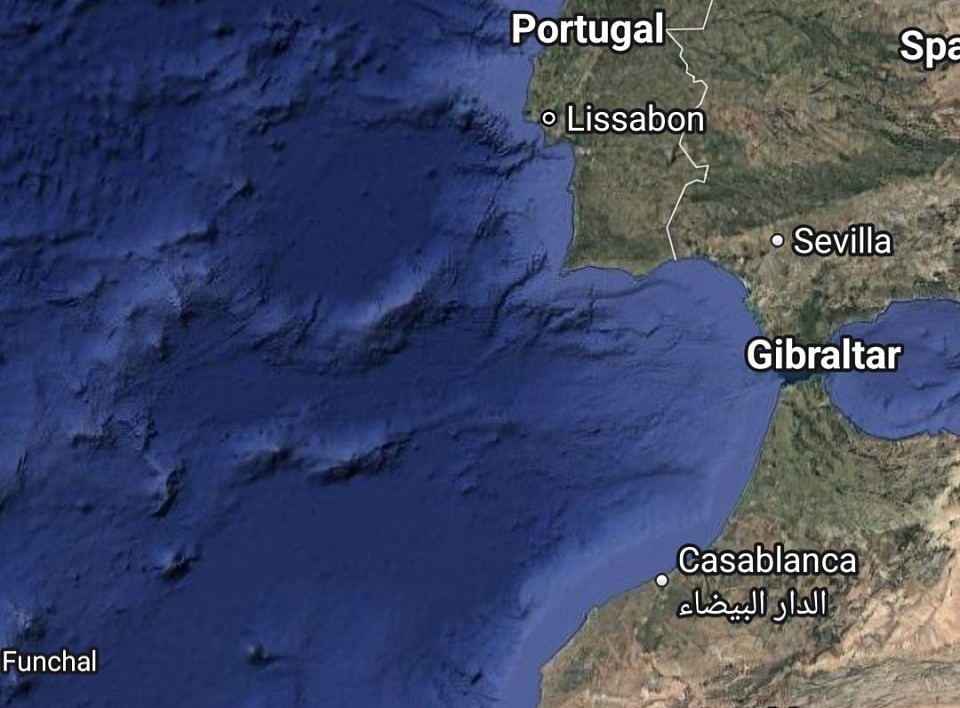
Atlantis Location According to Plato: The Atlantic Ocean in Front of The Pillars of Hercule (The Strait of Gibraltar)
Side Thought
Think of the end of the Stoertebeker story. If, in the search for Atlantis, a single gold coin is found (perhaps one with a Poseidon minting), then many fans, seekers and scientists will once again take heart and feel vindicated in their belief in theories and myths.
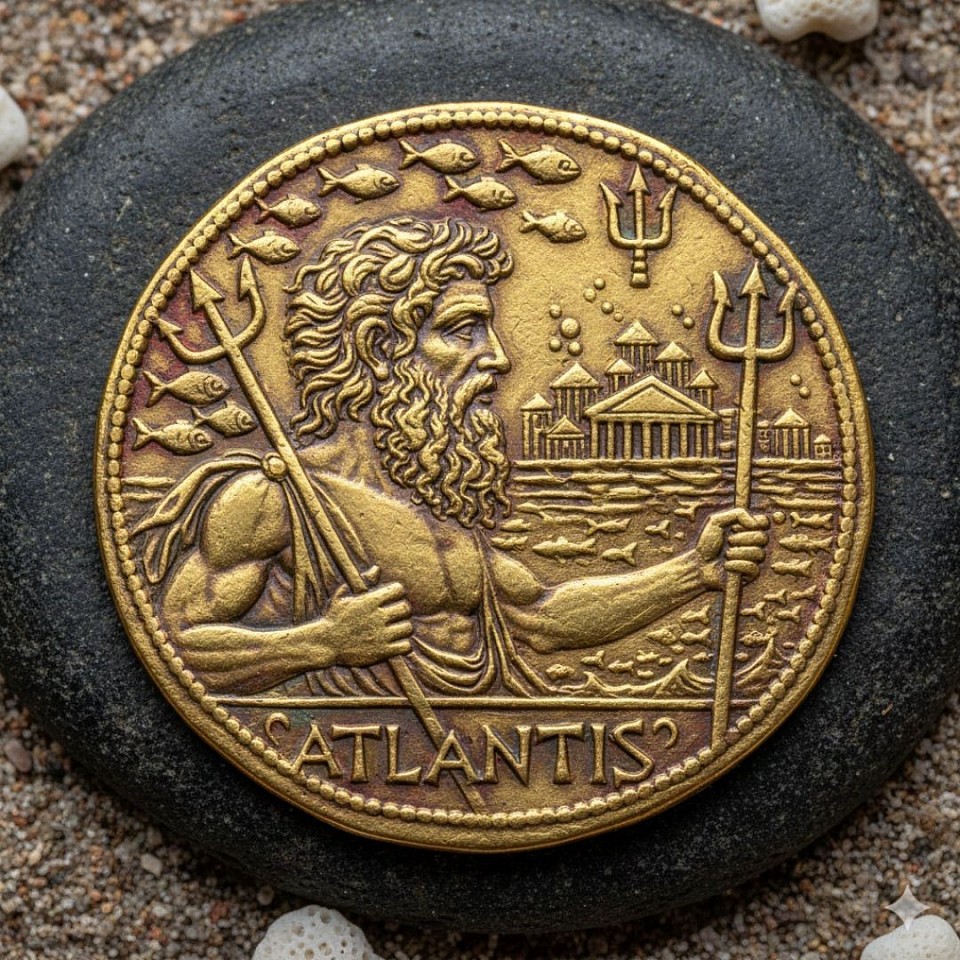
Coin from Atlantis
